The Chessboard
Uyghur Levers
The power that keeps the camps, the forced labour and the war on the Uyghurs' faith going, and the power that can end it — drawn from the Uyghur opinions and the Genocide Plan built on them.
Power for the Uyghurs' freedom
China's money and veto shield the genocide; trade bans, witnesses and Muslim publics can break it
The Chinese state carries out the persecution through camps, surveillance, forced sterilisation, labour transfers and the erasure of religion. It protects all this with economic and diplomatic weight: trade and Belt and Road ties keep most Muslim governments and the OIC silent or supportive, its veto keeps the case out of any court, and its bloc outvotes critics at the UN. Abroad, it uses deportations, pressure on families and propaganda to silence witnesses. Against this, UN and tribunal findings, Western sanctions and widening forced-labour import bans impose real costs, but enforcement and political will remain uneven. The balance shifts when Uyghur testimony and pressure from Muslim scholars and publics push governments to act.
Key points
- State machinery of erasure. The Communist Party's camps, algorithmic policing, birth suppression, child separation and 'sinicisation' (making Chinese) of mosques and schooling form one coordinated system of destruction.
- Economic and diplomatic shield. Trade, Belt and Road debt and its Security Council veto let China out-mobilise critics at the UN and keep any court out of reach.
- Muslim states abandon duty. Most Muslim governments, the OIC and Turkey stay silent or praise Beijing out of economic dependence, abandoning the OIC charter's duty to protect Muslim minorities.
- Forced-labour bans bite hardest. Import bans are the strongest working lever: the US presumes Xinjiang goods tainted and tracks third-country routing, while the EU ban still lacks enforcement tools.
- Findings without a court. UN crimes-against-humanity findings, the Uyghur Tribunal's genocide verdict and parliamentary motions build the record, but no court rules and the UK has retreated.
- Repression reaches the diaspora. Deportations from Thailand, Egypt and the Gulf, pressure on families and conditional visas silence Uyghurs abroad, so refusing forced returns and honouring resettlement pledges matter.
- Muslim publics break silence. Imams, Indonesian Islamic organisations, street protesters and survivors show that witness, boycotts and protest can break the silence trade has bought from Muslim governments.
Drawn from
- Uyghurs: Muslim Scholarly and Institutional PositionsMuslim governments, the OIC and Indonesian religious bodies have largely avoided confronting China over the Uyghurs, citing sovereignty and trade ties, while US imams, scholars and street protesters press the issue and rights groups and Beijing dispute what is happening in Xinjiang.
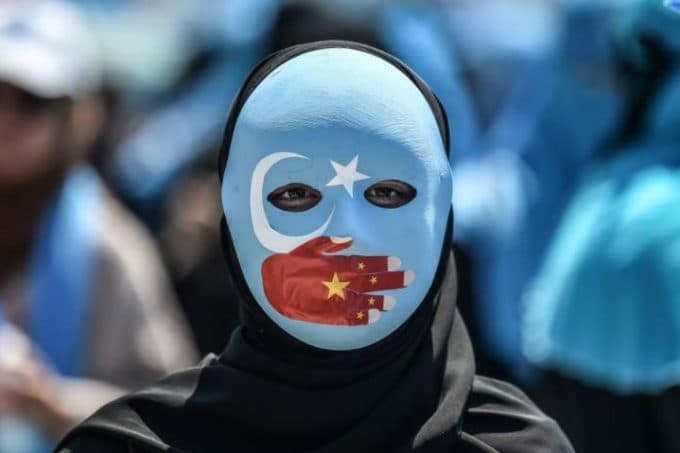
- Uyghurs: Diaspora, Advocacy and RepresentationUyghur diaspora groups document surveillance and testimony, press Washington and Ottawa for action, and say Beijing now uses visas, propaganda and informants to coerce and silence them abroad.
- Uyghurs: Transnational Repression and DeportationsChina presses governments from Thailand to Egypt, the Gulf and Morocco to detain, deport or extradite Uyghurs, while pressuring diaspora families abroad into silence and surveillance.

- Uyghurs: Muslim States' Silence and the OICDespite UN findings on mass detention of Uighurs, most Muslim-majority governments and the OIC have praised or stayed quiet on China's Xinjiang policy, citing trade, debt and Belt and Road ties.

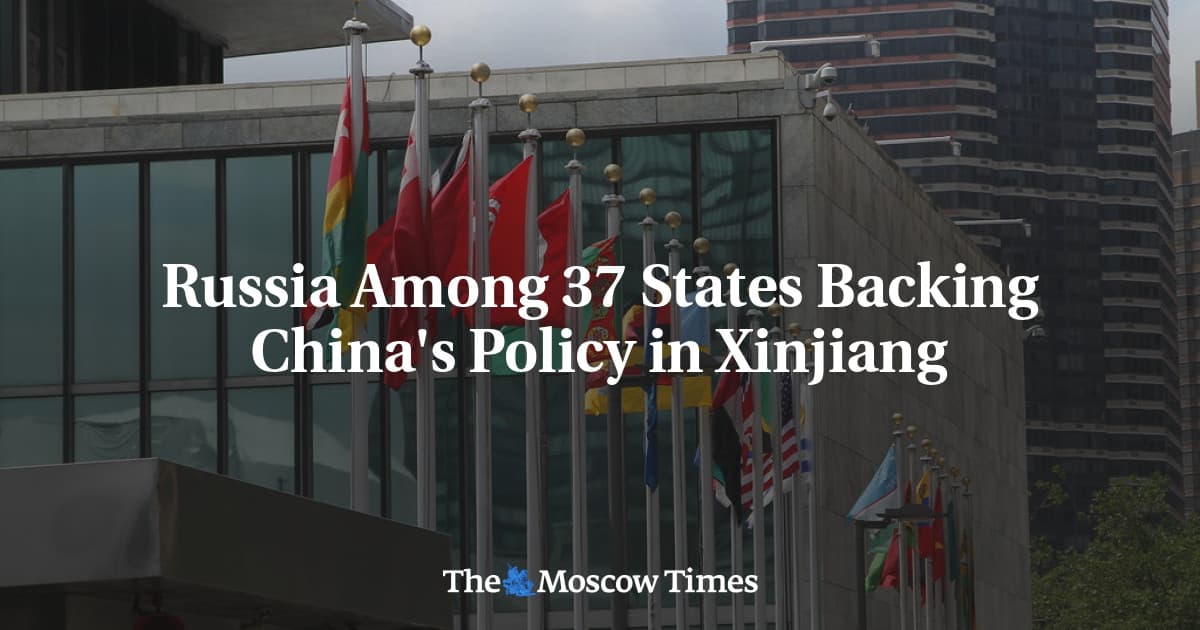
- Uyghurs: States, Blocs and the UNSince 2019, states have split into rival camps at the UN over Xinjiang: Western-led statements citing a "crimes against humanity" finding against a larger China-aligned bloc calling it an internal affair. A 2022 bid for a UN debate was narrowly defeated and no formal investigation has followed.
- Uyghurs: Forced Labour and Supply ChainsThe US and EU have each built legal regimes banning imports linked to forced labour in Xinjiang, while investigations tie the region's cotton, solar and seafood industries to Uyghur labour transfers.

- Uyghurs: The Camps, Sterilisation and the Destruction of ReligionDocuments, leaks and survivor testimony describe a Chinese state campaign in Xinjiang combining mass internment, forced sterilisation, sexual violence and the systematic erasure of mosques, shrines, village names and schooling in Uyghur language.

- Uyghurs: Law, Findings and AccountabilityIndependent tribunals and UN findings have called China's campaign against the Uyghurs genocide or crimes against humanity, but no court has ruled and the UK's Labour government quietly dropped its pledge to pursue legal recognition.